holy shit, spread this like wildfire guys before November
one of the biggest and most devious tools being used against voters now is that voting locations for lower income neighborhoods and neighborhoods that are primarily black or hispanic are suddenly closed down, in the middle of nowhere, or only open for 4 hours a day
do whatever you can to help negate that being a barrier
It’s
not unreasonable to stand against a force that threatens our ecosystem,
disrespects an already abused nation and ignores all present and
long-term consequences of oil contamination in the name of profit.
As a critiquer, your job is not to “make this piece of writing better” but to understand what the writer wants to achieve and help them to achieve it
Applies beyond writing as well.
Also applies to editing. I was recently talking to another writer whose editor (at a publisher) almost destroyed her desire to keep writing. Writers, know the signs of a shitty editor versus one who actually wants to help you achieve your vision, and don’t be afraid to ask for a different one. (Or fire a bad one if you’re indy.)
Off topic but I’m really feeling this quote, not just in the writing/art context, but also just management and critique in general. Making someone feel like a failure to the point where they want to give up and walk away is not helpful in any way. Very very few people will take that as a challenge to do better. Their confidence will just deflate and they will find reasons to start avoid doing the task altogether.
As a medical professional and a medically complicated human this is very important to me
That’s not wrong.
The tone of both comments is what causes poor doctor-patient relationships. Don’t underestimate how much education a doctor has. This doesn’t simply stop with medical school. It continues during residency and fellowship. For good doctors, this continues during practice. Good doctors stay up to date with medical guidelines and the changes that occur over time. Good doctors will research any condition their patient has with which they’re unfamiliar. Good doctors will listen to their patients and gently correct errors and misconceptions. Unfortunately, not all doctors are good doctors.
On the other hand, I’ve learned tons from my patients. Things that no book will ever teach me. As a patient, you deserve to be treated respectfully. Most doctors do their best to listen to their patients. No one puts in the time and effort required to be a physician with the goal of being a shit doctor. Of course, it happens. Doctors are humans and are just as flawed as everyone else. That’s the exception rather than the rule. Please respect the fact that we have a better filter for information than you do, regardless of how long you’ve had an illness. When patients request a specific test that I know is not indicated, I ask WHY. When a patient thinks they have an illness that that subjective and objective data do not support, I ask WHY. What are they concerned about? What is their fear? This is the question that needs to be addressed. That information generally allows me to either come up with a different, more appropriate test or list the reasons why their fear isn’t likely to be a reality. It’s all a two-way street that requires respect from all parties involved. Don’t go to a doctor who doesn’t respect you. Don’t go to a doctor who makes you uncomfortable. Don’t go to a doctor who is overly dismissive of your concerns. These are all red flags that you’re dealing with an asshole who just happens to be a doctor.
There is much learning in this post.
For #medblr readers, @captainmdphd nails the key point:
I ask WHY. What are they concerned about? What is their fear? This is the question that needs to be addressed.
Accurate. Patient-physician relationships should not be antagonistic or one-sided. They are mutual and we learn from each other. When either party takes on a snarky or dismissive tone, we all lose out. A doctor is useless and even damaging to the patient when they don’t listen. A patient may not be able to get the exam, tests, or referrals they need to get better if they walk in with the presumption that all doctors are unreliable assholes.
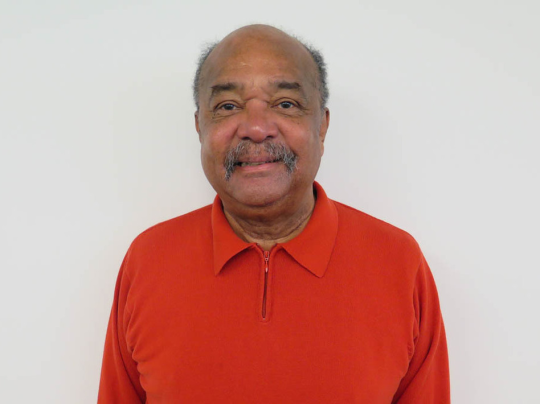
hey guys! here’s some fun things i learned from this article about Dion Diamond:
he did these sit-ins by himself. like idk about you, but i always thought of sit-ins as organized by groups, what kind of bravery does it take, man
he didn’t tell anyone about it, like he was no glory-seeker about this. his parents didn’t even know until reporters started calling them up like “hey, did you know your son is in jail?
when someone called the cops he’d skedaddle out the back door although he was sent to prison multiple times
the last time he got arrested was in Baton Rouge, and the cops were so sick of him that they told inmates they’d put in a good word for anyone who gave Diamond a hard time. (the inmates didn’t take the bait.)
he’s still alive!
hark, a hero of our times!
It’s important to remember that this happened a mere fifty-eight years ago, just two years older than my father. I can’t imagine going to a restaurant and not being permitted to sit down. Regardless of your politics, it’s vital to recognize the events that shaped our culture.



 QueerGalaxies